

Things to look for when moving to a new area in 2026
Moving to a new area is exciting and a little unsettling in equal measure, and it's easy to fall for a place on a sunny Saturday viewing without checking whether it actually works for daily life. A few practical checks now can save you from a costly change of heart later. Here's what's worth looking at before you commit, and the free tools that make checking easy.
A new lifestyle, without losing what you rely on
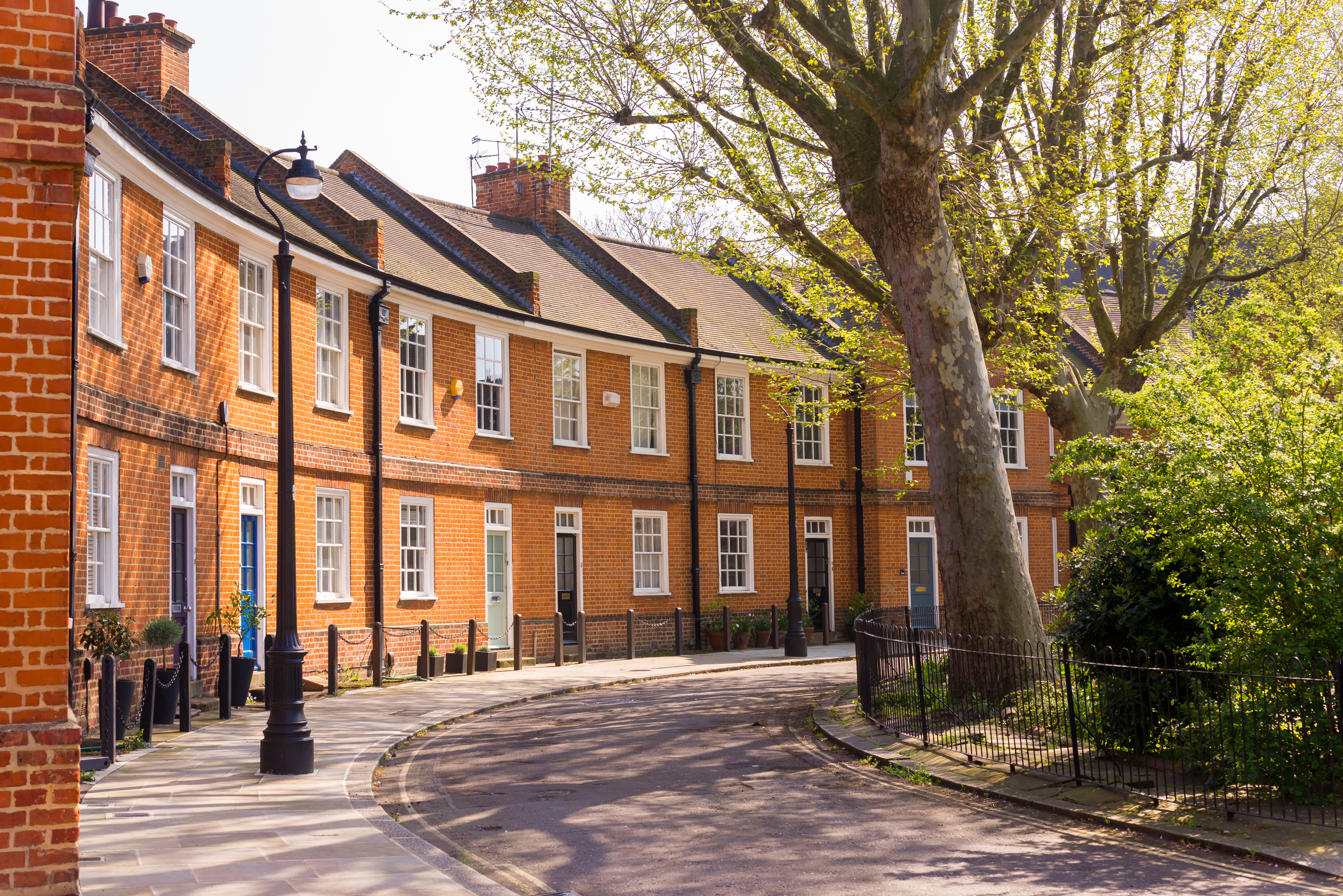
Many make the decision to move for a change of pace. Maybe you want space, quiet, a garden, or a shorter walk to the shops. That's the easy part to picture. What's harder is knowing whether the everyday things you rely on will still be within reach.
Before you fall for a place, check the basics: how far is the nearest supermarket, GP surgery and pharmacy, local restaurants, parks and shops. mobile and broadband checker.
Commuting hasn't gone away, even with hybrid working

Around 28% of UK employees now work a hybrid pattern, but the trend in 2026 is heading towards more office days, not fewer. Two or three days a week in the office is now the norm for most hybrid roles, and employers have been steadily raising that requirement rather than lowering it.
That matters for where you move. Don't plan around never having to commute again. Instead, work out what a two or three day a week commute would realistically look like from your new area, at rush hour, not on a quiet Sunday viewing. The average UK commute is around 28 minutes each way, so use that as a rough benchmark and see how your new journey compares.
If you're relocating for work, or want room to change jobs later without moving house again, check what else is nearby too. A single big local employer is a risk if that sector has a difficult year.
Schools, safety and the things a viewing won't tell you

If schools matter to you, check performance and Ofsted ratings on gov.uk's school comparison tool and confirm catchment areas directly with the schools themselves, since these can change and often don't map neatly onto postcodes.
Long-term fit, not just today's needs
Whether or not you're searching for your forever home, think a few years ahead rather than just about where you are right now. Make a short list of what you want from the area in five years, not just this year. A growing family, ageing parents, or a career change can all change what "the right area" looks like, and it's far easier to plan for that now than to move again later.
Space matters here, too. If you're downsizing, check there's enough storage for what you're keeping. If you're planning a family, look at nearby schools, parks and other families in the area, not just the size of the garden.
Get a feel for the place, more than once

Numbers and checkers only tell you so much. Visit at different times, on a weekday morning and a Saturday afternoon, and try the actual commute you'd be doing rather than just driving past. Walk to the local shops. Sit in a café and see who else is there. You'll pick up on things a listing never mentions, like how busy the road gets at school pickup time, or whether the high street still has some life in it.
If you can, look up how the area has performed in recent independent rankings. The Sunday Times' annual Best Places to Live guide is one worth a browse, not as a shortlist to move from, but as a sense check on what judges look for: schools, transport, broadband, green space and a high street that's still standing. It's a useful second opinion alongside your own instinct.
Ultimately, only you will know if a place feels right. If you're still unsure after checking the practical things, go back to the list you made of what you actually need from the area, and let that guide the decision rather than how a single viewing made you feel.
Frequently asked questions
What should I check before moving to a new area?
Commuting time at rush hour, school catchments and ratings if relevant, and local crime data. Free government and Ofcom tools cover most of this in a few minutes.
How do I know if an area is right for my family?
Visit more than once, at different times of day, and check schools, green space and everyday amenities directly rather than relying on the listing description. A short list of what you need from the area in five years' time is a good filter.
Does commuting still matter with hybrid working?
Yes. Most hybrid roles now expect two to three office days a week, and that's trending upward rather than down, so it's worth planning around a real commute rather than assuming you'll rarely need to make it.
Talk to someone who knows the area
A local agent will know things no checker can tell you: which streets are quieter than they look, which schools are oversubscribed, and where the area is heading over the next few years.
For more on choosing where to live, read city life versus country life, or wallet-friendly places to live near London.

The Guild is a UK-wide network of hand-selected independent estate agents across the UK. Whether you are buying, selling, letting, or renting, explore where our Members are.


 Update Cookies Preferences